
On this page
- Why Baku Deserves More Than a Quick Stop
- Start Your Visit in Icherisheher
- Discover Modern Baku Beyond the Old City
- When Is the Best Time to Visit Baku?
- How Many Days Do You Need in Baku?
- Take a Day Trip Beyond Baku
- Experience Baku at a Local Pace
- Practical Tips for Planning Your First Baku Trip
- Baku as the Beginning of a Wider Azerbaijan Journey
- Is Baku Worth Visiting?
See Azerbaijan with local support.
Choose a ready-made tour, arrange Transport or Rent a Car, or ask our Baku team to shape a custom route.
View travel servicesBaku is a city where medieval stone walls, Caspian Sea promenades and ambitious contemporary architecture exist within a surprisingly compact urban landscape. For first-time visitors, that contrast is one of the most memorable parts of travelling to Azerbaijan.
This Baku travel guide is designed to help you understand the city before you arrive: where to begin, which areas deserve your time, how long to stay and which experiences outside the city can add more depth to your journey.
Whether Baku is your main destination or the starting point for a wider trip through Azerbaijan, a little planning can make the experience far more rewarding.
Why Baku Deserves More Than a Quick Stop
Baku is sometimes treated simply as the arrival point for a journey through Azerbaijan. In reality, the capital deserves time of its own.
The historic centre tells the story of centuries of trade, religion and regional influence, while newer districts reflect the rapid transformation of modern Azerbaijan. Within the same day, you can walk through narrow stone streets inside a UNESCO-listed historic area, look across the Caspian Sea from the boulevard and finish the evening surrounded by contemporary architecture.
The city also works particularly well as a base for travellers. Several of Azerbaijan’s most distinctive landscapes and heritage sites can be visited on day trips, allowing you to explore beyond the capital without changing hotels every night.
For many visitors, Baku becomes the point where Azerbaijan’s history, culture and modern identity first come together.
Start Your Visit in Icherisheher
The most natural place to begin exploring Baku is Icherisheher, the Old City.
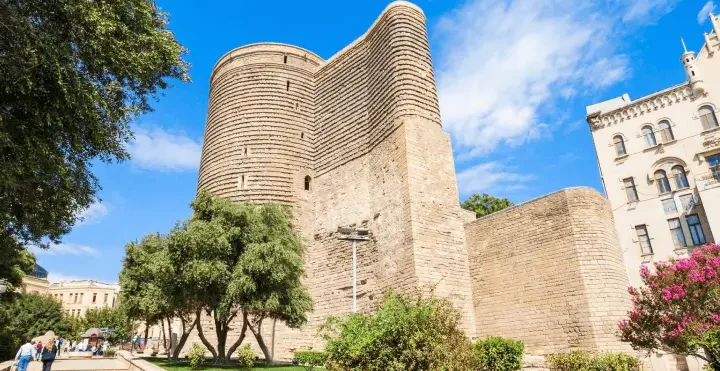
Surrounded by historic defensive walls, this part of Baku feels very different from the broad avenues surrounding it. Stone houses, small courtyards, caravanserais, mosques and narrow passages create a neighbourhood that rewards slow exploration.
Two of the best-known landmarks are the Maiden Tower and the Palace of the Shirvanshahs. Both are important symbols of Baku, but the Old City is more enjoyable when you do not treat it simply as a checklist of monuments.
Allow time to walk through the smaller streets. Look at carved balconies, traditional stonework and the contrast between historic buildings and everyday city life.
The area is especially atmospheric in the morning, before the busiest part of the day, or toward the evening when the warm colour of Baku’s limestone becomes more pronounced.
A guided Old City visit can also provide useful context. Many architectural details and historical connections are easy to miss when walking through Icherisheher independently.
Discover Modern Baku Beyond the Old City
Leaving the Old City reveals a completely different side of Baku.
One of the most recognisable views is toward the Flame Towers, which rise above the city and have become a modern visual symbol of Azerbaijan. The area around Highland Park offers one of the best panoramas across central Baku and the Caspian waterfront.
Below, Baku Boulevard stretches along the coast. It is a relaxed place for an evening walk and helps visitors understand how closely the city is connected to the Caspian Sea.
Another major modern landmark is the Heydar Aliyev Center, known internationally for its flowing architectural form. Even travellers who are not particularly interested in architecture often find the building striking because it looks so different from Baku’s historic stone cityscape.
Seeing both sides of the city is important. Visiting only the Old City gives an incomplete picture of Baku, while seeing only the modern landmarks misses much of the history that shaped it.
This contrast is why combining historic and contemporary Baku in one sightseeing experience works particularly well for first-time visitors.
When Is the Best Time to Visit Baku?
Baku can be visited throughout the year, but the experience changes considerably with the seasons.
Spring is one of the most comfortable periods for walking around the city. Temperatures are generally better suited to long days outdoors, and trips into other regions of Azerbaijan become increasingly attractive as landscapes turn greener.
Autumn offers similar advantages. The weather is often comfortable for sightseeing, and it is a good period for travellers who want to combine Baku with regional excursions.
Summer brings longer days and an active atmosphere, but daytime heat can make walking-heavy itineraries more tiring. If you travel during the warmer months, starting sightseeing earlier and leaving some indoor or shaded activities for midday can make the day more comfortable.
Winter gives Baku a quieter character. It can still be an interesting time for a city-focused trip, although the city’s famous winds can make the temperature feel colder than expected.
Whatever the season, checking the weather shortly before travelling is worthwhile, particularly when planning excursions outside Baku.
How Many Days Do You Need in Baku?
For a first visit, around three days provides a useful balance.
One day can focus on the Old City and central Baku. Another can explore the modern city, waterfront and major architectural landmarks. A third day can then be used for an excursion beyond the capital.
Travellers with four or five days can slow the pace and add additional experiences without turning every day into a long sightseeing schedule.
If Azerbaijan is part of a larger Caucasus trip and your time is limited, two well-planned days can still provide a strong introduction to Baku. However, staying only one night makes it difficult to experience both the city and its surroundings properly.
The right length ultimately depends on whether you want Baku itself to be the destination or whether the capital will serve as a base for exploring more of Azerbaijan.
Take a Day Trip Beyond Baku
Some of the most interesting experiences near the capital reveal a very different side of the country.
Gobustan is one of the most important options. The area is known for its ancient rock engravings and archaeological landscape, providing a connection to human history that reaches far beyond Baku’s medieval architecture.
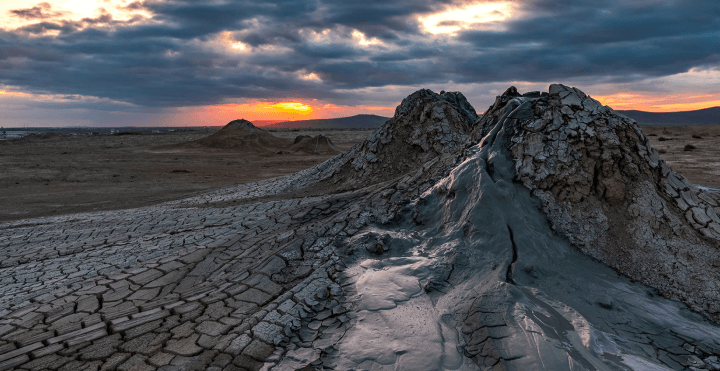
The wider Absheron Peninsula also contains places associated with Azerbaijan’s historic relationship with fire. Sites such as Ateshgah Fire Temple and Yanardag help explain why fire has held such a significant place in the country’s cultural identity.
These locations work particularly well together because they create a journey through several different periods of Azerbaijani history within a single day.
Travellers with additional time can go farther from Baku toward mountain and regional destinations such as Shamakhi, Gabala, Sheki, Lahic, Khinaliq and Shahdag. These journeys reveal how dramatically Azerbaijan’s landscapes and local character can change outside the capital.
A city break in Baku can therefore become the starting point for a much broader journey.
Experience Baku at a Local Pace
It is easy to over-plan Baku.
The main landmarks matter, but some of the most enjoyable moments come from leaving enough time between them.
Spend part of an evening walking around central Baku. Stop for tea. Explore a side street that was not on the itinerary. Walk along the boulevard after sunset and see how the atmosphere changes once the city lights appear.
Food should also be part of the experience rather than something squeezed between attractions. Azerbaijani cuisine varies across regions, but Baku provides an accessible introduction to dishes that visitors may later encounter elsewhere in the country.
Local context can make a noticeable difference here as well. Knowing what a dish is, where it comes from or why a particular neighbourhood developed in a certain way adds meaning that is difficult to get from simply moving between map pins.
The strongest trips usually combine structured sightseeing with enough flexibility to experience the city naturally.
Practical Tips for Planning Your First Baku Trip
Baku’s central sightseeing areas are relatively easy to combine, but not everything is best reached on foot.
Comfortable shoes are useful for the Old City because of its stone surfaces, slopes and uneven sections. For places farther from the centre, organised transport or a local driver can save considerable time.
Airport transfer planning is also worth handling before arrival, particularly after a late flight or when travelling with luggage. Having transport arranged in advance removes one of the first uncertainties of a new destination.
When planning excursions beyond Baku, remember that Azerbaijan is geographically diverse. A route that looks simple on a map can involve significant driving time, changes in elevation or very different weather conditions.
It is therefore better to build an itinerary around realistic travel times rather than trying to fit as many destinations as possible into one day.
If you prefer a private journey, transport and sightseeing can also be organised around your own schedule instead of following a fixed group departure.
Baku as the Beginning of a Wider Azerbaijan Journey
One of the advantages of visiting Baku is that the city introduces many of the themes you will encounter elsewhere in Azerbaijan.
Historic architecture in the Old City leads naturally toward places such as Shamakhi, Lahic and Sheki. Views of the Caucasus from regional excursions reveal an entirely different landscape from the semi-arid surroundings of Baku. Religious monuments, mountain communities, forests, lakes and traditional craftsmanship add further layers to the journey.
For this reason, travellers who initially plan only a city break often discover that Azerbaijan deserves more time.
A well-designed itinerary might begin with Baku, continue through one or two regions and then return to the capital before departure.
This approach provides variety without requiring travellers to move accommodation every day.
Is Baku Worth Visiting?
For travellers interested in history, architecture, food and destinations that still feel different from the standard European city-break circuit, the answer is yes.
Baku is not defined by a single attraction. Its appeal comes from contrast: ancient walls beside contemporary towers, a historic trading city facing the Caspian Sea and a modern capital that can serve as the gateway to mountains, villages and cultural regions across Azerbaijan.
The best way to experience it is to avoid rushing.
Give the Old City time. See modern Baku rather than stopping only at its most photographed landmarks. Leave at least one day for the landscapes and heritage sites beyond the city if your schedule allows.
A thoughtful Baku travel guide should ultimately do more than tell you what to photograph. It should help you understand how the city fits into a larger journey through Azerbaijan.
And for many visitors, that larger journey is where the country becomes truly memorable.